

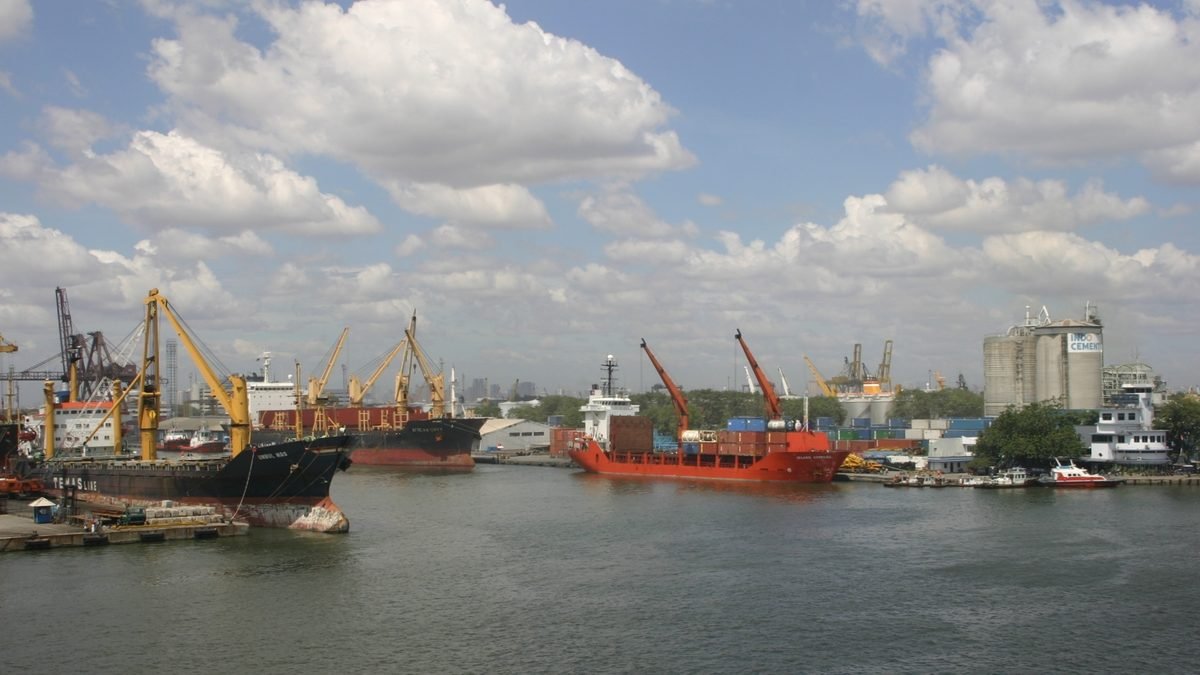
In supply chain planning the first mile is often treated as a short segment with little influence. In practice it is the segment where the largest number of variables can be controlled — or lost.
Kilometres are not the only measure
A short distance to the port does not automatically mean speed. What matters more is how many points of uncertainty sit in between: access road congestion, gate queues, and fleet availability at the hour you actually need it.
Operations located inside the port area remove some of those variables not because the distance is short, but because the coordination happens in one place.
The effect on customs
When physical handling and documentation sit close together, corrections happen faster. Paperwork that needs fixing does not have to wait for the cargo to move first, and the reverse is equally true.
What is worth weighing
When evaluating a logistics partner, the question is not simply how close they are to the port, but how many stages they can complete without passing the cargo to someone else. Fewer handovers means fewer things that can go wrong.